
In legal matters, every word carries weight. A single phrase can shape arguments, influence interpretation, and ultimately affect the outcome of a case. When documents cross language barriers, legal translation becomes a critical factor in ensuring fairness and accuracy.
In Singapore, where international business, immigration, and cross-border disputes are common, courts and legal professionals rely heavily on professional legal translation services. Understanding how legal translation impacts case outcomes can help individuals and law firms avoid costly mistakes and ensure their documents are clearly understood.
Why Legal Translation Is Crucial in Legal Proceedings
Legal systems depend on precise language. Contracts, affidavits, court submissions, and evidence must be interpreted exactly as intended. When documents are translated, the goal is not just linguistic accuracy but legal accuracy.
In Singapore, courts operate in English. Any document submitted in another language must be translated accurately to ensure judges, lawyers, and authorities can evaluate the case properly.
A poorly translated document can:
- Misrepresent facts
- Alter legal meaning
- Weaken arguments
- Lead to delays or objections
This is why certified legal translation in Singapore is essential for court-related matters.
How Translation Errors Can Affect Case Outcomes
1. Misinterpretation of Legal Terminology
Legal language is highly specialised. Words that seem similar in everyday use may carry very different meanings in law.
For example:
- “Agreement” vs “Contract”
- “Shall” vs “May”
- “Liability” vs “Responsibility”
A mistranslation can change obligations, rights, or intent—potentially affecting the judge’s interpretation of the case.
2. Inconsistent Names, Dates, and Details
Even small inconsistencies can create doubt in legal proceedings. Errors such as:
- Different spellings of names
- Incorrect dates
- Mismatched identification numbers
may lead to challenges from opposing counsel or requests for clarification.
This can weaken credibility and delay proceedings.
3. Loss of Context or Intent
Legal documents often rely on context. A direct word-for-word translation may not always capture the intended meaning.
For example:
- Cultural or jurisdiction-specific terms
- Legal concepts that don’t have direct equivalents
- Phrasing that reflects intent rather than literal meaning
Professional legal translators ensure the intent behind the text is preserved, not just the words.
4. Poor Formatting and Structure
Courts often compare translated documents with originals. If the translation:
- Does not follow the same structure
- Omits headings or sections
- Fails to indicate stamps or signatures
it may raise questions about completeness and accuracy.
Proper formatting helps legal professionals review documents efficiently.
5. Incomplete or Missing Translation
Every part of a legal document must be translated, including:
- Footnotes
- Stamps and seals
- Marginal notes
- Annexures and attachments
Missing information can lead to objections or rejection of the document as evidence.
Types of Legal Documents That Require Accurate Translation
Legal translation plays a role in many types of cases and documents, including:
- Contracts and commercial agreements
- Court judgments and legal notices
- Affidavits and statutory declarations
- Immigration and identity documents
- Corporate compliance records
- Arbitration and dispute resolution documents
Each of these documents requires precise translation to ensure legal validity.
The Role of Certified Legal Translation in Singapore
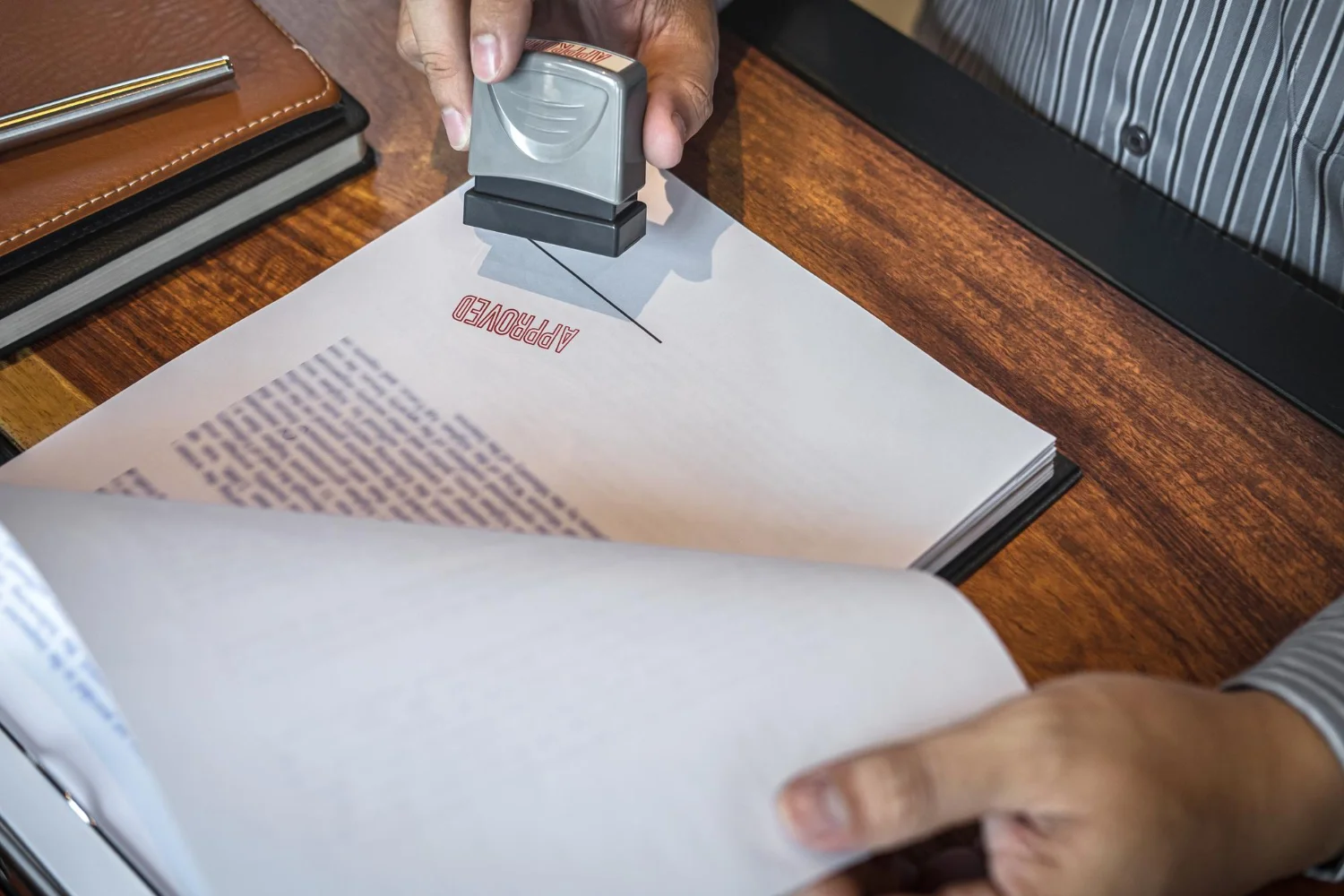
In many cases, legal documents must be submitted as certified translations. Certification confirms that the translation is accurate and complete, and suitable for official use.
A certified legal translation typically includes:
- A declaration of accuracy
- Translator or agency details
- Signature and date
- Official stamp or letterhead
Certified translation adds credibility and reduces the risk of disputes over document authenticity.
How Legal Translation Supports Fair Judgments
Accurate legal translation ensures that:
- Judges understand the full context of documents
- Lawyers can present clear and consistent arguments
- Evidence is interpreted correctly
- All parties are treated fairly regardless of language
Without proper translation, language barriers can create misunderstandings that affect justice.
Common Legal Translation Mistakes to Avoid
To protect your case, avoid these common issues:
- Using machine or automated translation tools
- Relying on non-specialist translators
- Submitting uncertified translations
- Ignoring formatting and structure
- Failing to review translated documents
These mistakes can weaken your case or lead to delays.
Why Professional Legal Translation Services Matter
Professional legal translators offer:
- Expertise in legal terminology
- Understanding of jurisdiction-specific language
- Accurate and consistent translation
- Proper formatting and certification
- Confidential handling of sensitive documents
Their role is not just translation—but ensuring your documents are legally reliable.
Real Impact: How Translation Can Change
Outcomes
Consider a contract dispute involving a translated clause. If the clause is misinterpreted due to poor translation, it could:
- Shift liability between parties
- Change the interpretation of obligations
- Influence the judge’s final decision
This shows how legal translation directly impacts case outcomes not just documentation.
Final Thoughts
Legal translation is not a simple language task—it is a critical component of legal accuracy and fairness. In Singapore’s legal environment, where precision matters, even small translation errors can have significant consequences.
Understanding how legal translation impacts case outcomes highlights the importance of working with experienced, professional translators. Accurate, certified legal translation ensures your documents are clear, credible, and accepted helping your case move forward with confidence.