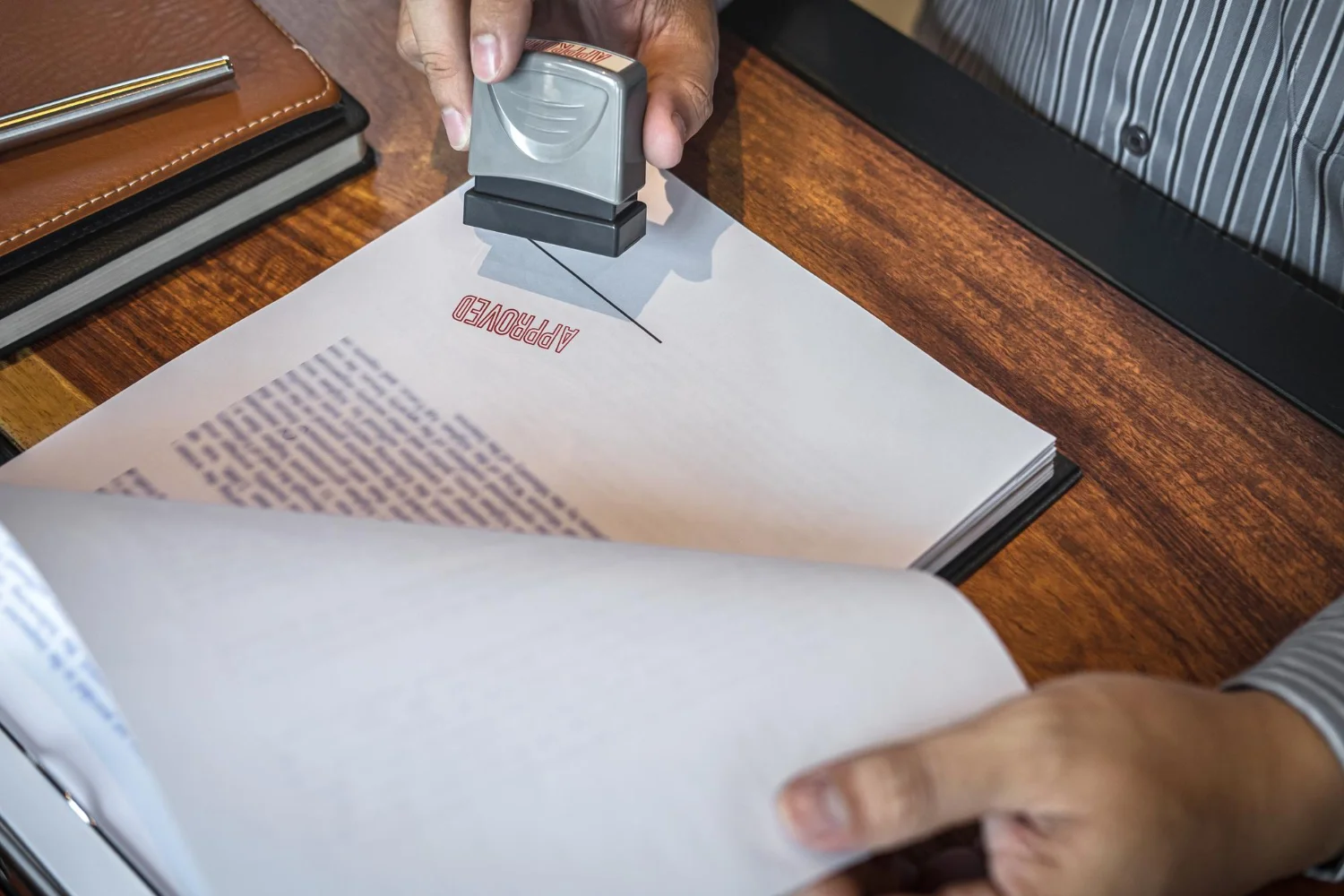

In Singapore, submitting translated documents isn’t just about converting words from one language to another. Whether you’re applying for immigration, submitting legal documents, or dealing with government agencies, your translation must follow an official format accepted by authorities.
Failing to meet these requirements can lead to rejections, delays, or even legal complications.
In this guide, we’ll break down the exact translation format accepted by Singapore authorities, so your documents get approved the first time.
Why Official Translation Format Matters
Government agencies in Singapore such as ICA, MOM, HDB, and courts have strict guidelines for translated documents. These aren’t optional.
A simple formatting mistake or missing certification can result in rejection—even if the translation itself is accurate.
Professional agencies like Stanza Translation Services ensure that every document meets these official standards, making them 100% acceptable for submissions.
What is an Official (Certified) Translation?
An official or certified translation is a document that:
- Is translated by a qualified professional translator
- Includes a certificate of accuracy
- Is signed and/or stamped
- Matches the original document structure
According to industry standards followed by providers like Stanza, certified translations are recognized by government agencies, courts, and institutions across Singapore.
Key Elements of an Accepted Translation Format
To ensure your translation is officially accepted, it must include the following components:
1. Complete & Accurate Translation
Every word from the original document must be translated:
- No missing sections
- No summarisation
- No interpretation
Even stamps, seals, and handwritten notes must be translated where applicable.
2. Mirror Formatting of Original Document
Authorities expect the translated document to closely resemble the original:
- Same layout and structure
- Tables, headings, and numbering retained
- Proper alignment of content
This ensures easy comparison between original and translated versions.
3. Certificate of Accuracy
This is one of the most critical elements.
A proper certificate typically includes:
- Translator’s declaration of accuracy
- Translator or agency name
- Signature and date
- Company stamp (if applicable)
Without this certificate, your translation is not considered official.
4. Translator Credentials
Singapore authorities often require translations to be done by:
- A professional translation agency, or
- A qualified translator with credentials
That’s why working with a registered provider like Stanza ensures compliance with all submission requirements.
5. Notarisation or Authentication (If Required)
Some documents—especially legal or overseas submissions—may need:
- Notarisation
- Authentication by the Singapore Academy of Law (SAL)
Stanza offers a one-stop service for translation, notarisation, and authentication, simplifying the entire process.
Documents That Require Official Translation in Singapore
Official translation format is required for various document types, including:
Immigration & ICA Submissions
- Birth certificates
- Marriage certificates
- Divorce papers
- Academic transcripts
MOM & Employment Documents
- Educational certificates
- CVs and testimonials
Legal Documents
- Court orders
- Affidavits
- Contracts
Financial & Business Documents
- Bank statements
- Financial reports
- Company registration documents
These are commonly handled by certified agencies to ensure acceptance across Singapore institutions.
Common Mistakes That Lead to Rejection
Many applicants face delays due to avoidable errors. Here are the most common mistakes:
❌ Missing certificate of accuracy
❌ Incorrect formatting
❌ Use of non-certified translators
❌ Partial or incomplete translation
❌ No stamp or signature
Even one of these issues can result in rejection.
How Professional Translation Services Ensure Acceptance
Working with experts like Stanza Translation Services gives you a major advantage.
Here’s how they ensure compliance:
- ✔ Certified native translators with domain expertise
- ✔ Multi-step quality assurance process
- ✔ Proper formatting aligned with official standards
- ✔ Certification, stamping, and optional notarisation
- ✔ Fast turnaround (1–3 working days for most documents)
This ensures your documents are accurate, compliant, and ready for submission without hassle.
Step-by-Step Process to Get an Accepted Translation
Here’s how the process typically works:
- Submit your document (PDF, scan, or image)
- Document evaluation and quotation
- Assignment to certified translator
- Translation + quality review
- Certification and formatting
- Delivery (digital or hard copy)
This structured approach ensures your translation meets all official requirements.
Final Thoughts
Getting your documents translated correctly isn’t just about language it’s about compliance with official standards.
By following the correct translation format and working with certified professionals, you can:
- Avoid rejection and delays
- Ensure smooth processing with authorities
- Save time and additional costs
If you’re submitting documents in Singapore, always choose a trusted provider like Stanza Translation Services to guarantee acceptance.